Cart
0
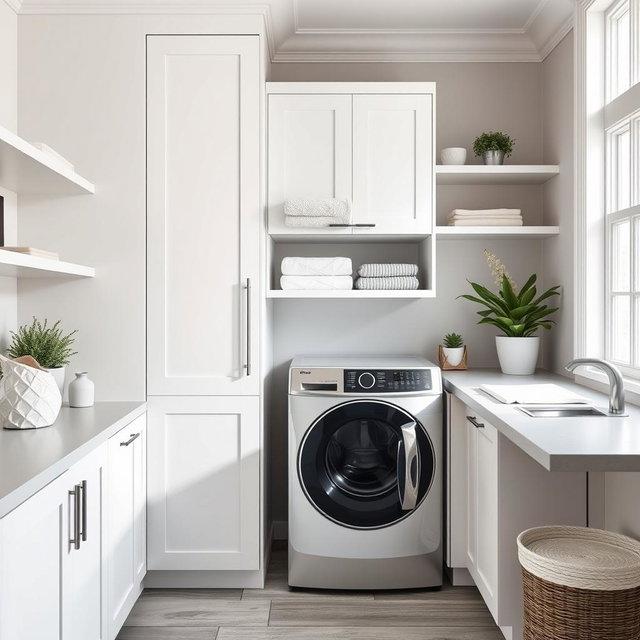
Washing Machine Buying Guide: How to Choose the Right Washing Machine for Your Home
Buying a washing machine is an important investment for any household. With different types, capacities, wash programs and advanced features available, choosing the right model can sometimes feel confusing.
Whether you live alone, have a small family or manage a large household, selecting the right washing machine can make everyday laundry easier and more convenient.
But should you choose a front-load or top-load washing machine? What capacity is suitable for your family? Which features are actually worth considering?
This washing machine buying guide covers everything you need to know before choosing a washing machine for your home.
1. Understand Different Types of Washing Machines
Before purchasing, it is important to understand the main types of washing machines available.
Front Load Washing Machine
Front-load washing machines have a door at the front and use a horizontal drum to wash clothes.
They are popular for their efficient washing performance and range of wash programs.
Key Benefits:
-
Generally use less water than comparable top-load models.
-
Offer multiple wash programs.
-
Often provide higher spin speeds.
-
Suitable for households looking for advanced washing features.
-
Can offer efficient washing performance.
Things to Consider:
-
Usually require bending to load and unload clothes.
-
Wash cycles can take longer depending on the program.
-
May require regular cleaning of the door gasket and detergent drawer.
Top Load Washing Machine
Top-load washing machines have a door at the top, allowing users to load clothes from above.
They are convenient for people who prefer easy loading and unloading.
Key Benefits:
-
Easy to load and unload.
-
Convenient for people who prefer not to bend frequently.
-
Often have shorter wash cycles in selected models.
-
Available in a variety of capacities and designs.
Things to Consider:
-
Some models may use more water than front-load alternatives.
-
A top-opening lid requires sufficient overhead space.
-
Washing performance and features vary by model.
2. Front Load vs Top Load Washing Machine: Which Is Better?
Both types have their own advantages. The right option depends on your budget, laundry habits and available space.
| Comparison Factor | Front Load | Top Load |
|---|---|---|
| Loading Style | Front door | Top opening |
| Water Consumption | Generally lower | Varies by model |
| Wash Cycles | Often longer | Often shorter in selected models |
| Loading Convenience | Requires bending | Easier top access |
| Space Requirement | Needs front door clearance | Needs overhead clearance |
| Features | Often offers advanced programs | Depends on model |
| Best For | Efficiency-focused households | Convenience-focused households |
Choose a Front Load Washing Machine If:
-
Water efficiency is important to you.
-
You prefer multiple wash programs.
-
You want advanced washing options.
-
You have enough space for front door opening.
Choose a Top Load Washing Machine If:
-
You prefer convenient loading and unloading.
-
You want easier access to the drum.
-
You have limited space in front of the machine.
-
You prefer a top-opening design.
3. Choose the Right Washing Machine Capacity
Washing machine capacity is generally measured in kilograms (kg). It refers to the weight of dry laundry that the machine can handle in a wash cycle.
Choosing the right capacity helps you manage laundry more efficiently.
Here is a general washing machine capacity guide:
| Family Size | Suggested Capacity |
|---|---|
| 1–2 Members | 6–6.5 kg |
| 2–3 Members | 6.5–7.5 kg |
| 3–4 Members | 7–8 kg |
| 4–5 Members | 8–9 kg |
| 5+ Members | 9 kg or above |
Note: These are approximate recommendations. Your laundry frequency, clothing types and washing habits may affect the capacity you need.
Consider a larger capacity if you regularly wash bedsheets, blankets or bulky clothing, provided the machine supports those items.
4. Understand Different Washing Machine Technologies
Washing machines are available with different operating technologies.
Fully Automatic Washing Machine
A fully automatic washing machine handles the washing, rinsing and spinning processes automatically through selected programs.
It is convenient for people who want a simple laundry experience.
Fully automatic machines are available in both front-load and top-load designs.
Semi Automatic Washing Machine
A semi-automatic washing machine generally has separate washing and spinning compartments.
Users need to transfer clothes manually between the compartments.
Benefits include:
-
More control over the washing process.
-
Often lower initial purchase cost.
-
Can be suitable for households looking for basic laundry functionality.
Choose the type that best matches your daily routine and convenience requirements.
5. Look for Useful Washing Machine Features
Modern washing machines offer features designed to improve washing performance and convenience.
Here are some features worth considering:
Inverter Technology
Inverter motors adjust their operation according to the load and washing requirements. Depending on the model, they can help improve energy efficiency and reduce operating noise.
Multiple Wash Programs
Different programs are designed for different fabrics and laundry requirements, such as cotton, delicate clothing, wool and quick washes.
Quick Wash
This feature provides shorter washing cycles for lightly soiled clothes and smaller loads.
Child Lock
Child lock helps prevent accidental changes to the washing program.
Steam Wash
Selected models offer steam-based programs designed for specific fabric-care and cleaning requirements.
Delay Start
This feature allows you to schedule the washing cycle to begin later.
Always check the manufacturer's specifications to understand which features are included in a particular model.
6. Check Energy and Water Efficiency
A washing machine can affect your household's electricity and water consumption.
Before purchasing, compare the following:
-
BEE star rating, where applicable.
-
Annual electricity consumption, if provided.
-
Water consumption per cycle.
-
Motor technology.
-
Eco-wash programs.
Compare similar models and check their official product labels instead of relying only on general energy-efficiency claims.
Choosing an efficient model can help manage long-term household running costs.
7. Measure Your Available Space
Before buying a washing machine, make sure it fits properly in your laundry area or bathroom.
Measure these important dimensions:
-
Available width.
-
Available height.
-
Available depth.
-
Door or lid opening space.
-
Water inlet and drainage access.
-
Electrical connection location.
Remember that front-load machines require enough space for the front door to open, while top-load machines need sufficient overhead clearance.
Also, check the manufacturer's recommended installation requirements.
8. Consider Your Laundry Habits
Your daily laundry routine should influence your buying decision.
For example:
-
Small households: A compact-capacity machine may be sufficient.
-
Large families: A higher-capacity machine can reduce the number of wash loads.
-
Busy households: Quick wash and delay start features may be useful.
-
Families with children: Multiple wash programs and child lock can be helpful.
-
Frequent heavy laundry: Consider capacity and programs suitable for bulky items.
Think about your actual laundry needs instead of choosing a machine only because it has more features.
9. Check Noise, Installation and Maintenance
A washing machine should be convenient to operate and maintain.
Before purchasing, consider:
Noise Levels: Check the manufacturer's noise specifications, especially if the machine will be installed near bedrooms or living areas.
Installation: Confirm water connections, drainage requirements and electrical specifications.
Maintenance: Check how to clean the drum, detergent drawer and filters according to the manufacturer's instructions.
Service Support: Consider warranty coverage and the availability of authorised service centres.
These details can make a difference to your long-term ownership experience.
10. Compare Washing Machines Before Buying
Once you understand your requirements, compare different models using this checklist.
| Buying Factor | What to Check |
|---|---|
| Type | Front load or top load |
| Capacity | Suitable for your family |
| Technology | Fully automatic or semi automatic |
| Motor | Inverter or conventional |
| Wash Programs | Suitable for your clothing |
| Energy Efficiency | BEE rating and consumption |
| Dimensions | Fits your available space |
| Noise | Manufacturer specifications |
| Warranty | Product and motor coverage |
| Price | Fits your budget |
Comparing these factors can help you select a washing machine that offers the right combination of convenience, features and value.
Final Thoughts
Choosing the right washing machine is about understanding your household's laundry needs, available space and preferred features.
A front-load machine may be suitable if you prioritise water efficiency and advanced wash programs, while a top-load machine can be a convenient option if easy loading and unloading are important to you.
Consider the capacity, technology, energy consumption and installation requirements before making your final decision.
Ready to make laundry easier?
Explore the available washing machines at SHS, compare their features and specifications, and find the right model for your home.