Cart
0
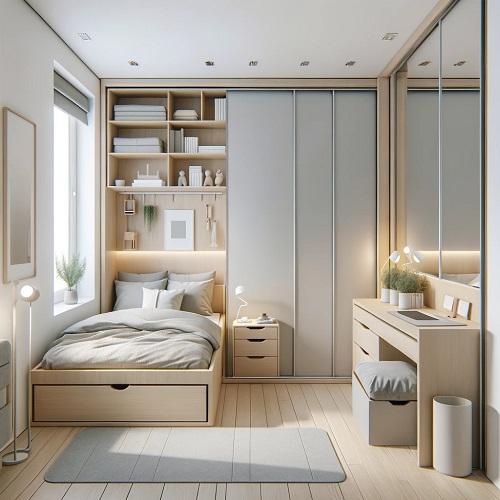
A wardrobe is one of the most essential pieces of furniture in any bedroom. It helps keep clothes, accessories and everyday essentials organised while contributing to the overall look of your room.
However, choosing the right wardrobe involves more than selecting an attractive design. You also need to consider its size, storage capacity, door style, material and available bedroom space.
Whether you have a compact bedroom or a spacious master bedroom, this wardrobe buying guide will help you understand what to look for before making a purchase.
Let's explore the important factors that can help you find the right wardrobe for your home.
1. Choose the Right Wardrobe Size
The first step in choosing a wardrobe is understanding how much space you have available.
A wardrobe should provide sufficient storage without making your bedroom feel overcrowded.
Here are some commonly used wardrobe dimensions:
| Wardrobe Type | Approximate Width | Approximate Depth | Approximate Height |
|---|---|---|---|
| Single Door | 18–24 inches | 20–24 inches | 72–84 inches |
| Two Door | 30–48 inches | 20–24 inches | 72–84 inches |
| Three Door | 45–60 inches | 20–24 inches | 72–84 inches |
| Four Door | 60–80 inches | 20–24 inches | 72–84 inches |
Note: These are general reference dimensions, not fixed standards. Actual measurements vary by manufacturer and design.
Before purchasing, always check the product's exact external dimensions.
2. Understand Different Types of Wardrobes
Wardrobes are available in different designs to suit different bedroom layouts and storage requirements.
Hinged Door Wardrobe
Hinged wardrobes feature doors attached to the frame using hinges. The doors open outward, providing access to the entire storage section.
Benefits:
-
Easy access to wardrobe interiors.
-
Available in different sizes and designs.
-
Simple and traditional opening mechanism.
-
Can include mirrors and organisers.
Best for: Bedrooms with sufficient space in front of the wardrobe.
Sliding Door Wardrobe
Sliding wardrobes feature doors that move horizontally along tracks.
Benefits:
-
Do not require additional space for outward door opening.
-
Suitable for compact bedroom layouts.
-
Modern and minimal appearance.
-
Can accommodate large storage sections.
Best for: Bedrooms where floor space is limited.
Walk-In Wardrobe
Walk-in wardrobes are dedicated storage spaces designed for clothing, accessories and other personal belongings.
Benefits:
-
Extensive storage possibilities.
-
Dedicated organisation areas.
-
Space for accessories and footwear.
-
Premium and organised appearance.
Best for: Larger bedrooms or homes with a separate dressing area.
Freestanding Wardrobe
Freestanding wardrobes are independent furniture units that can be positioned wherever suitable space is available.
Benefits:
-
Flexible placement.
-
Available in different designs.
-
Can be relocated when required.
-
Suitable for different bedroom layouts.
Best for: Homes that need flexible and practical storage solutions.
3. Plan Your Wardrobe Storage Layout
A well-organised wardrobe should make it easy to store and access your belongings.
Before choosing a design, consider how much space you need for different items.
Hanging Space
Useful for shirts, dresses, trousers, jackets and other garments that need to be hung.
Shelves
Ideal for folded clothes, bedsheets, towels and everyday essentials.
Drawers
Useful for smaller clothing items, accessories and personal belongings.
Shoe Storage
Dedicated compartments can help keep footwear organised and separate from clothing.
Accessory Storage
Small compartments can be used for watches, belts, jewellery and other accessories.
Choose a wardrobe layout according to your daily storage habits rather than simply selecting the model with the most compartments.
4. Wardrobe Storage Ideas for Small Bedrooms
A small bedroom requires thoughtful furniture planning. The right wardrobe design can help maximise storage without occupying unnecessary space.
Here are some useful wardrobe storage ideas:
-
Choose sliding doors to reduce door-opening clearance.
-
Use vertical storage to make better use of wall height.
-
Select wardrobes with built-in drawers.
-
Consider mirrored doors to create a more spacious visual effect.
-
Use internal organisers for accessories.
-
Choose compact designs that fit your bedroom layout.
A practical wardrobe can help keep even a small bedroom organised and clutter-free.
5. Select the Right Wardrobe Material
The material of a wardrobe influences its appearance, durability, maintenance and overall cost.
Some commonly used materials include:
Solid Wood
Solid wood wardrobes offer a natural appearance and can be long-lasting when properly constructed and maintained.
Plywood
Plywood is made from layers of wood veneer and is commonly used in furniture construction.
MDF (Medium Density Fibreboard)
MDF offers a smooth surface that is suitable for different finishes and contemporary designs.
Particle Board
Particle board is an engineered wood product commonly used in budget-friendly furniture.
Before purchasing, check the material specifications, finish quality, construction and manufacturer's care recommendations.
6. Check Wardrobe Door Clearance and Bedroom Placement
Wardrobe placement is just as important as wardrobe size.
A wardrobe that fits physically may still make your bedroom difficult to use if its doors cannot open comfortably.
Consider the following:
-
Leave enough clearance in front of hinged doors.
-
Check the sliding door track requirements.
-
Avoid blocking windows and electrical switches.
-
Maintain comfortable walking space.
-
Check access to nearby beds and bedside tables.
-
Ensure drawers can open fully.
Measure the available space carefully before deciding where to position your wardrobe.
7. Choose a Wardrobe Design That Matches Your Bedroom
Your wardrobe is a major visual element in your bedroom, so its design should complement your existing furniture.
Consider these popular styling options:
Minimalist Wardrobes
Simple designs with clean lines and neutral finishes work well in contemporary bedrooms.
Wooden Finish Wardrobes
Natural wood finishes add warmth and create a timeless appearance.
Mirrored Wardrobes
Mirrored doors can reflect light and help smaller bedrooms feel more open.
Glossy Finish Wardrobes
Glossy surfaces can create a clean and modern appearance.
Two-Tone Wardrobes
Combining two complementary finishes can add visual interest without making the design look overwhelming.
Choose colours and finishes that coordinate with your bed, flooring and other bedroom furniture.
8. Consider Wardrobe Features and Accessories
Modern wardrobes can include several useful features that improve storage and convenience.
Some options worth considering include:
-
Built-in mirrors.
-
Soft-close drawers.
-
Adjustable shelves.
-
Pull-out trouser racks.
-
Internal lighting.
-
Dedicated shoe compartments.
-
Jewellery organisers.
-
Lockable storage sections.
Not every wardrobe needs all these features. Select the ones that match your everyday requirements.
9. Coordinate Your Wardrobe with Other Bedroom Furniture
A well-designed bedroom should have a balanced furniture arrangement.
Your wardrobe should work comfortably alongside other essential furniture.
Consider its placement in relation to:
Bed: Maintain enough space between the bed and wardrobe for comfortable movement.
Bedside Tables: Ensure wardrobe doors and drawers do not interfere with nearby furniture.
Dressing Table: Coordinate finishes and colours to create a consistent bedroom design.
Storage Shelves: Use additional shelves for books, décor and items that do not need to be stored inside the wardrobe.
Planning the entire bedroom layout can help you create a more functional and visually balanced space.
10. Wardrobe Buying Checklist
Before purchasing a wardrobe, go through this simple checklist.
| Buying Factor | What to Check |
|---|---|
| Size | Width, height and depth |
| Door Type | Hinged or sliding |
| Storage | Hanging space, shelves and drawers |
| Material | Solid wood, plywood, MDF or particle board |
| Finish | Colour, texture and surface quality |
| Placement | Available bedroom space |
| Clearance | Door and drawer opening space |
| Features | Mirrors, lighting and organisers |
| Budget | Fits your planned spending |
| Warranty | Product coverage and conditions |
Comparing these factors will help you make a more informed buying decision.
Final Thoughts
Choosing the right wardrobe is about balancing storage, design and available bedroom space.
Whether you need a compact wardrobe for a small bedroom or a spacious storage solution for a master bedroom, understanding your requirements will make the selection process easier.
Measure your room, plan your storage layout and compare different designs before making your final decision.
A well-chosen wardrobe can improve bedroom organisation while adding style and functionality to your home.
Looking for the right wardrobe for your bedroom?
Explore suitable wardrobe and storage options at SHS and find a design that complements your space and lifestyle.