Cart
0
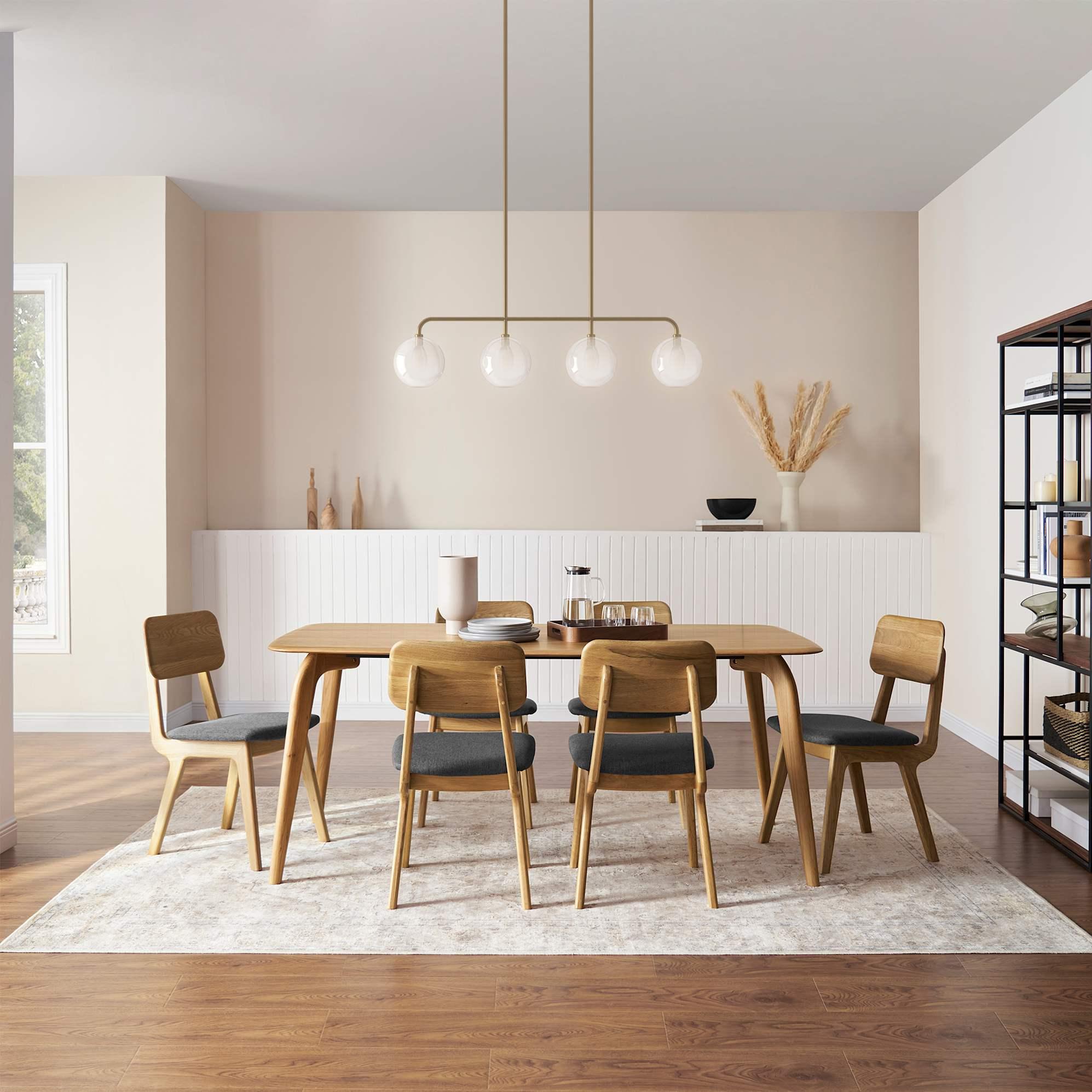
A dining table is more than just a place to enjoy meals. It is where family members come together, conversations happen and special moments are shared. Choosing the right dining table can make your dining area more comfortable, functional and visually appealing.
However, with so many shapes, sizes, materials and designs available, selecting the right one can be confusing.
Whether you have a spacious dining room or a compact apartment, this dining table buying guide will help you choose the right option based on your room size, seating requirements, lifestyle and budget.
1. Choose the Right Dining Table Size
The first step is to understand how much space you have available. Your dining table should comfortably accommodate everyone without making the room feel crowded.
Here is a general dining table size guide:
| Dining Capacity | Approximate Table Size |
|---|---|
| 2 Seater | 60–75 cm diameter (round) |
| 4 Seater | 120–150 cm × 75–90 cm |
| 6 Seater | 150–180 cm × 85–95 cm |
| 8 Seater | 200–240 cm × 90–100 cm |
These are approximate reference dimensions. Actual sizes vary by design and manufacturer.
Measure Your Dining Area
Before purchasing a table:
-
Measure the length and width of your dining area.
-
Mark the approximate table footprint on the floor.
-
Allow around 90 cm of clearance around the table where possible for pulling chairs out and moving comfortably.
-
Check doorways and passage areas.
-
Consider nearby furniture, walls and cabinets.
A table that looks perfect in a showroom may feel too large in your home if you don't measure the available space first.
2. Select the Right Dining Table Shape
The shape of your dining table affects both the appearance and functionality of your dining area.
Rectangular Dining Table
Rectangular dining tables are a popular choice for traditional dining rooms and larger families. They provide generous seating space and work well in long or rectangular rooms.
Best for:
-
Medium and large dining areas
-
Families with four or more members
-
Homes that regularly host guests
Round Dining Table
Round dining tables create a comfortable setting where everyone can interact easily. They also work well in square dining areas.
Best for:
-
Small and medium-sized dining spaces
-
Compact apartments
-
Families who prefer a more conversational seating arrangement
Square Dining Table
Square dining tables offer a balanced and symmetrical look. They are suitable for smaller dining areas where four people usually sit together.
Best for:
-
Compact dining spaces
-
Square-shaped rooms
-
Small families
Oval Dining Table
Oval dining tables combine the elongated seating space of rectangular tables with softer, rounded edges.
Best for:
-
Medium and large dining rooms
-
Homes that prefer a softer furniture design
-
Families looking for flexible seating arrangements
3. Choose the Right Dining Table Material
The material of your dining table affects its appearance, durability, maintenance and overall cost.
Solid Wood
Solid wood dining tables offer a warm, natural appearance and can suit both traditional and contemporary interiors.
Advantages:
-
Classic and timeless look
-
Strong construction when properly made
-
Can be refinished depending on the wood and finish
Things to consider:
-
Requires appropriate care
-
Can be affected by moisture and temperature changes
-
Quality and price vary by wood type
Engineered Wood
Engineered wood tables are available in different finishes and designs, making them an option for budget-conscious buyers.
Advantages:
-
Variety of finishes
-
Often more affordable than solid wood
-
Suitable for modern interiors
Things to consider:
-
Water resistance depends on the material and finish
-
Edge damage may be difficult to repair
-
Check construction quality before buying
Glass
Glass-top dining tables can create a light and open appearance, especially in smaller dining spaces.
Advantages:
-
Modern and elegant appearance
-
Visually less bulky
-
Easy to coordinate with different interiors
Things to consider:
-
Fingerprints and marks may be visible
-
Requires regular cleaning
-
Check that the glass is suitable for furniture use and properly supported
Marble and Stone
Marble and stone dining tables can create a premium and luxurious look.
Advantages:
-
Distinctive natural patterns
-
Solid and substantial appearance
-
Suitable for statement dining spaces
Things to consider:
-
Can be heavy
-
Some surfaces require sealing
-
Check resistance to stains, scratches and heat
4. Consider Your Seating Requirements
The number of people in your household should influence your dining table choice.
-
2-Seater: Suitable for couples or compact dining areas.
-
4-Seater: A practical choice for small families.
-
6-Seater: Suitable for larger families or frequent guests.
-
8-Seater: Ideal for spacious dining rooms and regular gatherings.
If you occasionally need extra seating, consider an extendable dining table. It can provide additional space when guests visit without taking up as much room every day.
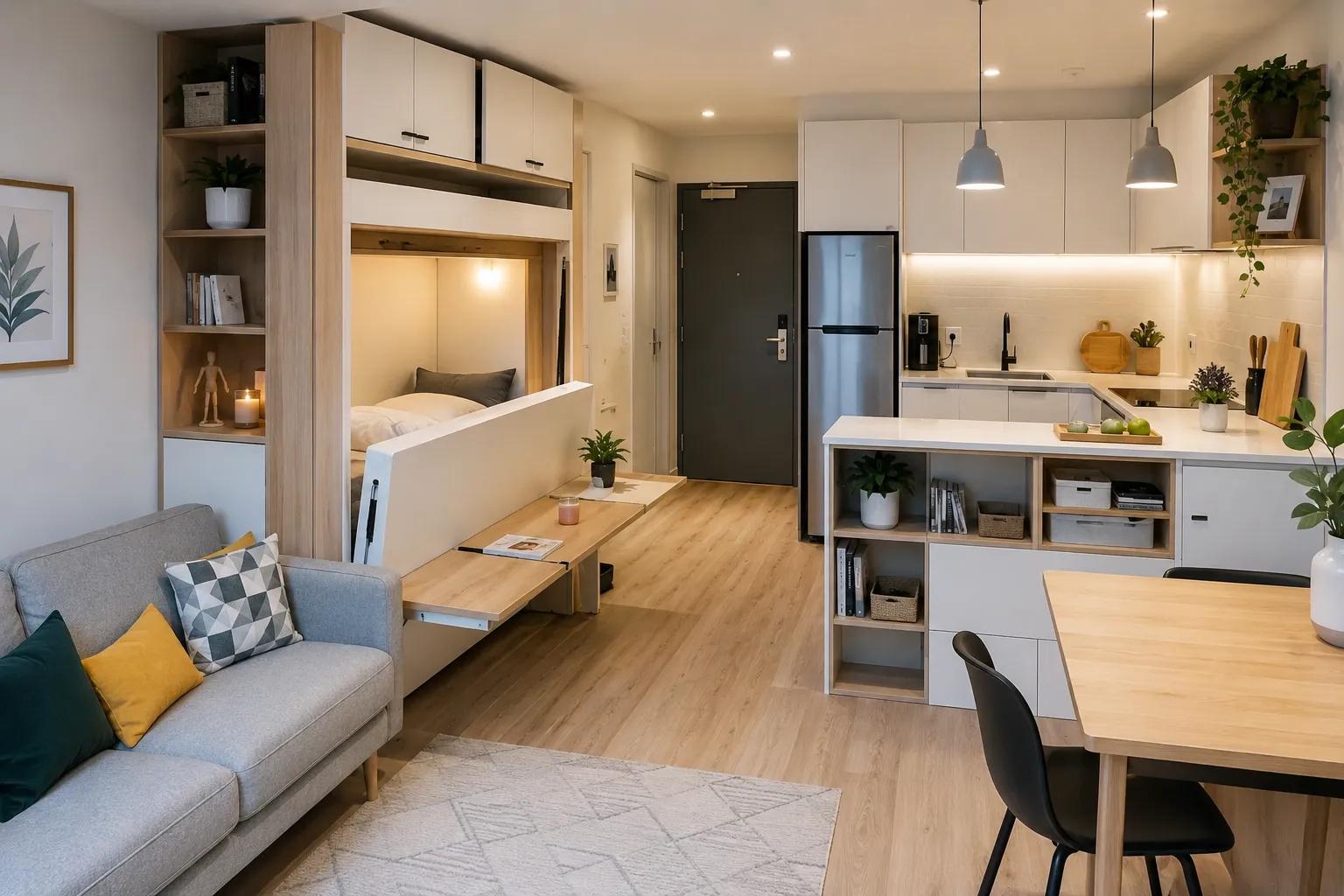
5. Dining Table Ideas for Small Spaces
If you live in an apartment or have limited dining space, selecting the right design becomes especially important.
Here are some useful dining table ideas for small spaces:
Choose a Round Table
A compact round table can fit neatly into a smaller dining area. Its shape also makes it easier to move around without sharp corners.
Consider a Foldable Dining Table
Foldable designs can be useful when you need to save space. You can fold the table when it is not in use, depending on the design.
Try a Wall-Mounted Table
A wall-mounted dining table can be a practical option for very compact homes. Some designs fold away when not required.
Choose Multi-Functional Furniture
Consider dining tables with built-in storage or designs that can serve multiple purposes, such as a work surface.
Use Light Colours and Slim Designs
Light finishes, slim legs and visually simple designs can help a small dining area feel more open.
6. Don't Forget Dining Chairs
Your dining chairs are just as important as the table. The right chairs improve comfort and help create a coordinated dining setup.
Before choosing chairs, consider:
-
Seat height in relation to the table
-
Comfortable back support
-
Available space between chairs
-
Chair width and armrests
-
Material and ease of cleaning
-
Matching or complementary design
As a general guide, many dining tables are around 75 cm high, while dining chairs commonly have a seat height of approximately 45 cm. Always check the actual table and chair dimensions to ensure a comfortable fit.
7. Important Things to Check Before Buying
Before finalising your purchase, use this checklist:
-
Room Measurements: Confirm that the table fits comfortably in your dining area.
-
Seating Capacity: Choose a size that meets your regular seating needs.
-
Material Quality: Check the construction, surface finish and durability.
-
Table Height: Make sure the table works comfortably with your chairs.
-
Maintenance: Consider how much cleaning and care the material requires.
-
Style: Choose a design that complements your existing furniture.
-
Delivery Access: Check whether the table can pass through your doors, stairways or lift.
-
Budget: Compare features, materials and quality before making a decision.
Final Thoughts
Choosing the right dining table is about finding a balance between size, comfort, style and functionality. Start by measuring your dining area, decide how many people you need to seat and select a material that suits your lifestyle.
A well-chosen dining table can make everyday meals more comfortable while adding character to your home.
Explore dining furniture that fits your space with SHS and find a dining setup that complements your home.